
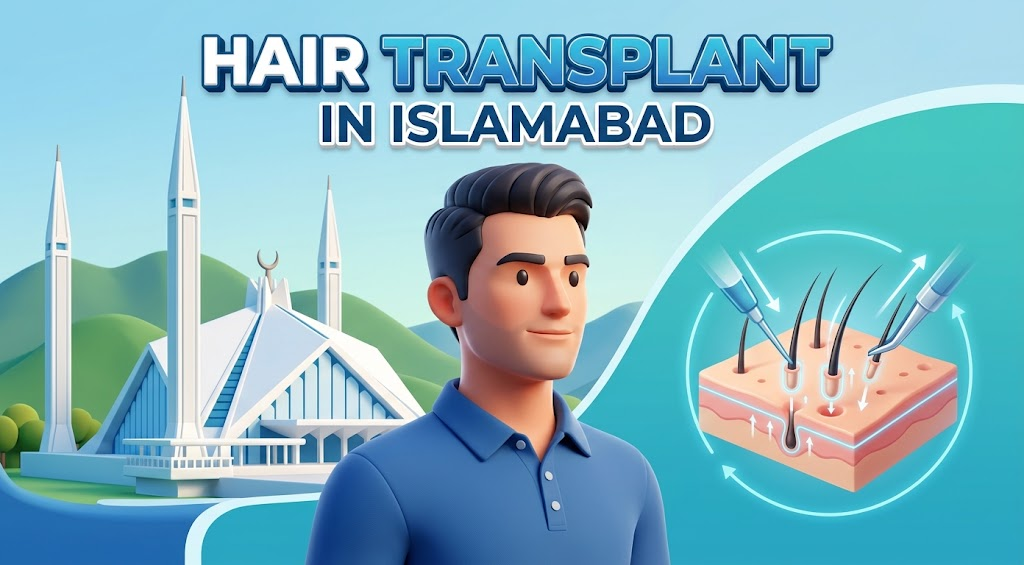
Hair loss can affect confidence, appearance, and everyday social interactions. While temporary shedding may improve with proper care, persistent thinning or baldness often requires a more effective solution. A hair transplant is a surgical procedure designed to restore hair by moving healthy follicles from one area of the scalp to another. With modern techniques, patients can achieve natural-looking density while maintaining a suitable hairline. Understanding the procedure, candidacy, techniques, recovery, and expected results can help individuals make an informed decision.
Understanding Hair Transplantation
Hair transplantation involves relocating hair follicles from a donor region, usually the back or sides of the scalp, to areas affected by thinning or baldness. Because these follicles are generally more resistant to the hormonal factors responsible for common pattern hair loss, they can continue growing after transplantation.
The procedure is customized according to the patient’s age, degree of hair loss, donor supply, facial features, and future hair-loss pattern. A qualified surgeon evaluates the scalp before recommending a treatment plan, including the approximate number of grafts required and the most appropriate technique.
Who Can Consider the Procedure?
Not everyone experiencing hair loss needs transplantation. Suitable candidates generally have permanent pattern hair loss, sufficient healthy donor follicles, and realistic expectations about density and appearance. Adults whose hair loss has stabilized may be particularly suitable, although individual circumstances differ.
People with active scalp conditions, inadequate donor hair, or certain medical causes of hair loss may need alternative treatment or additional evaluation first. A consultation is therefore important before making a decision. The surgeon should identify the underlying cause of hair loss and determine whether transplantation is likely to provide lasting benefits.
Main Techniques Used Today
Two widely recognized approaches are Follicular Unit Extraction (FUE) and Follicular Unit Transplantation (FUT). In FUE, individual follicular units are carefully removed from the donor area and implanted into recipient sites. The technique does not involve removing a long strip of scalp and usually leaves tiny, less noticeable extraction marks.
FUT involves removing a narrow strip of skin containing hair follicles before separating it into individual grafts for transplantation. The method can provide a substantial number of grafts in selected patients but leaves a linear scar. The best technique depends on donor characteristics, hair-loss severity, hairstyle preferences, and the surgeon’s assessment rather than popularity alone.
Why Choose Hair Transplant in Islamabad?
Many people researching Hair Transplant in Islamabad focus on access to experienced surgeons, modern clinical facilities, and personalized treatment plans. Islamabad has become an important destination for aesthetic and restorative procedures, giving patients access to clinics that offer different approaches to hair restoration.
However, location should not be the only consideration. Patients should investigate the surgeon’s qualifications, experience with hair restoration, clinic standards, consultation process, and examples of previous work. A reputable provider should explain realistic outcomes instead of promising guaranteed density or immediate results.
What Happens During the Procedure?
The process usually begins with a detailed consultation and scalp assessment. The surgeon discusses the desired hairline, examines donor density, and determines the number and distribution of grafts. On treatment day, the scalp is prepared and local anesthesia is generally used to minimize discomfort.
Depending on the selected method, follicles are harvested, prepared, and placed into tiny recipient openings. Careful placement is essential because the direction, angle, and distribution of transplanted follicles strongly influence the final appearance. A natural result requires strategic positioning rather than simply placing as many grafts as possible.
Preparing for Treatment
Good preparation can make the procedure and recovery easier. Patients should provide their surgeon with a complete medical history and information about medications or supplements they use. The clinic may provide specific instructions regarding washing the scalp, smoking, alcohol, and medications before treatment.
Patients should also arrange appropriate transportation if recommended and keep the initial recovery period relatively free from demanding activities. Understanding postoperative instructions beforehand helps reduce unnecessary anxiety and supports proper healing.
Recovery and Aftercare
Following transplantation, mild swelling, redness, tenderness, or small crusts can occur around the treated areas. These effects generally improve as healing progresses. The clinic provides instructions about washing, sleeping position, physical activity, and scalp protection.
For the first several days, patients should handle the scalp gently and avoid unnecessary rubbing or scratching. Strenuous exercise may need to be restricted temporarily. Following professional instructions carefully is important because newly implanted grafts require protection while the scalp heals.
When Will New Hair Grow?
Hair transplantation does not produce a full head of mature hair immediately. Transplanted hairs commonly go through an initial shedding phase after the procedure. This can be surprising, but shedding does not necessarily mean the treatment has failed.
New growth develops gradually over subsequent months. Early growth may appear thin before becoming stronger and more noticeable. The final outcome takes time, and the exact timeline varies between individuals. Patience is therefore an important part of the restoration process.
Expected Results and Natural Appearance
A successful transplant aims to create a natural-looking hairline and improve coverage rather than simply maximize the number of implanted follicles. The quality of the result depends on several factors, including donor quality, graft survival, surgical technique, hair characteristics, and ongoing native-hair loss.
Patients should understand that transplantation redistributes existing follicles; it does not create unlimited new hair. Some individuals may require more than one session depending on their goals and the extent of hair loss. A realistic treatment plan considers both current baldness and possible future thinning.
Understanding Hair Transplant Costs
The cost of Hair Transplant in Islamabad can vary considerably between clinics and patients. Factors may include the surgical technique, number of grafts, surgeon’s experience, facility standards, medications, follow-up care, and complexity of the case.
Patients should avoid selecting a provider based solely on the lowest advertised price. An unusually inexpensive package may not include all relevant services or may involve compromises that affect safety and results. A transparent consultation should explain what the quoted cost covers and whether additional sessions or treatments could be required.
Potential Risks and Considerations
Hair transplantation is a surgical procedure and therefore carries potential risks. These may include temporary swelling, bleeding, infection, scarring, numbness, inflammation, uneven growth, or poor graft survival. Some patients may also experience an unnatural-looking hairline if grafts are poorly designed or placed.
Choosing a properly qualified medical professional and an appropriate clinical setting can help reduce avoidable risks. Patients should disclose relevant medical information and follow all postoperative instructions. Any unexpected or persistent symptoms should be discussed promptly with the treating clinician.
Choosing the Right Clinic
When comparing Hair Transplant in Islamabad options, look beyond promotional claims. Check the surgeon’s credentials, relevant training, experience, and approach to diagnosis. Ask whether the consultation is performed by the surgeon who will conduct the procedure and whether treatment is customized.
Before-and-after photographs can provide useful information, but they should be interpreted carefully. Patients should ask whether the examples represent cases similar to their own. A trustworthy clinic should discuss limitations, possible complications, recovery expectations, and alternative treatments rather than presenting transplantation as suitable for everyone.
Questions to Ask Before Treatment
A consultation is an opportunity to make an informed decision. Patients can ask which technique is recommended and why, how many grafts are needed, what donor-area limitations exist, and what level of density is realistic.
It is also useful to ask about recovery, follow-up appointments, possible complications, and future hair loss. Understanding these issues before treatment can prevent unrealistic expectations and help patients compare providers objectively.
Final Thoughts
Hair restoration can offer meaningful improvements for people experiencing permanent hair loss, but the procedure should be approached as a medical decision rather than a quick cosmetic fix. Hair Transplant in Islamabad may be an option for suitable candidates when performed by an appropriately qualified professional using careful planning and proper clinical standards.
The strongest results come from realistic expectations, thoughtful hairline design, healthy donor management, meticulous graft placement, and consistent aftercare. Before proceeding, patients should schedule a professional consultation, discuss their individual goals, and understand both the potential benefits and limitations of treatment.











Leave a Reply