
In today’s fast-paced world, identification and security have become more critical than ever. Organizations, schools, government agencies, and businesses all rely on ID cards for access control, employee identification, and brand representation. Choosing the right technology for producing these cards is crucial, and that’s where durostech id card printing technology comes into play.
This innovative printing solution is designed to combine speed, reliability, and customization, offering users an efficient way to create high-quality ID cards with enhanced security features. From incorporating holograms to embedding RFID chips, modern ID card printing technology ensures that organizations can manage access, verify identities, and maintain professionalism effortlessly.
Understanding ID Card Printing Technology
ID card printing has evolved significantly over the last few decades. Traditional methods like lamination and manual embossing have been replaced with high-tech solutions that ensure durability, security, and professional appearance.
1. What is ID Card Printing?
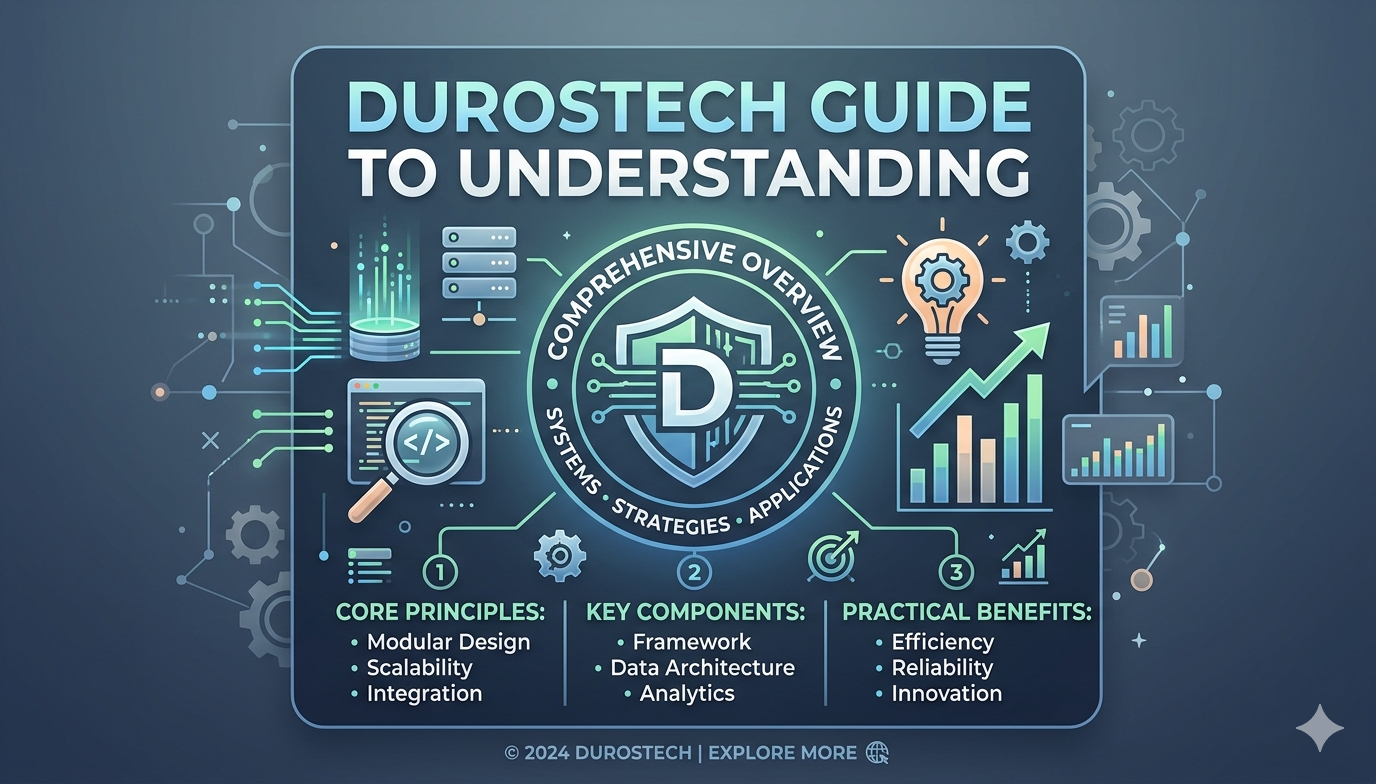
ID card printing involves producing cards that contain personal identification information, security features, and branding elements. These cards are used for access control, employee or student identification, membership verification, and other authentication purposes. durostech guide to understanding
durostech id card printing technology offers a streamlined, automated approach, eliminating errors and reducing production time compared to manual methods.
2. Core Components of Modern ID Card Printers
Modern ID card printers consist of several key components:
- Print Engine: Determines print quality, speed, and resolution.
- Encoding Modules: Embed magnetic stripes, smart chips, or RFID for security.
- Software Interface: Allows designing cards, managing databases, and controlling print runs.
- Input/Output Hoppers: Facilitate card feeding and collection.
With these components, organizations can produce high-quality cards while integrating advanced security features seamlessly.
Types of ID Cards
Before implementing durostech id card printing technology, it’s important to understand the different types of ID cards and their purposes.
1. Employee ID Cards
Used in businesses and corporate environments, employee ID cards enhance workplace security, allow access control, and help create a professional environment. They often include photos, employee IDs, barcodes, and company logos.
2. Student ID Cards
Schools, colleges, and universities use student ID cards to verify enrollment, provide access to facilities, and offer discounts. These cards can also store library information, meal plans, or public transportation access.
3. Membership and Loyalty Cards
Clubs, gyms, and retail organizations use ID cards as membership or loyalty cards. These cards track usage, offer discounts, and maintain customer engagement.
4. Government and Healthcare ID Cards
Security and accuracy are critical for government-issued cards, such as driver’s licenses, national IDs, and healthcare cards. High-tech ID card printing ensures authenticity and prevents fraud.
durostech id card printing technology supports all these types, providing flexibility and advanced features to meet diverse needs.
Features of Durostech ID Card Printing Technology
One of the reasons durostech id card printing technology stands out is its extensive range of features designed for efficiency, security, and customization.
1. High-Quality Printing
The technology ensures sharp, vibrant, and durable prints. Using advanced dye-sublimation or thermal transfer printing methods, the cards maintain their quality over extended periods, resisting scratches, fading, and wear.
2. Advanced Security Options
Security is critical for ID cards. This technology allows embedding holograms, watermarks, microtext, barcodes, and RFID chips to prevent forgery and unauthorized access.
3. Fast and Efficient Production
Organizations can print large volumes of cards quickly without compromising quality. This is especially useful for universities, large corporations, and events requiring thousands of cards in a short timeframe.
4. Customization Capabilities
Users can fully customize ID cards with logos, backgrounds, photos, and unique designs. This flexibility ensures brand consistency while providing personalized identification.
5. Integration with Management Systems
durostech id card printing technology can integrate with HR systems, student databases, and access control systems to automate card issuance, track usage, and update information in real time.
Applications of Durostech ID Card Printing Technology
The applications of this advanced printing technology are diverse and can benefit multiple sectors.
1. Corporate Security
In businesses, employee identification cards enhance security by controlling access to restricted areas. Cards can include magnetic stripes or RFID chips to monitor attendance and entry points.
2. Education Sector
Schools and universities use ID cards to manage students, staff, and visitors efficiently. Features like library access, cafeteria management, and attendance tracking make the cards multifunctional.
3. Healthcare Facilities
Hospitals and clinics use ID cards for patients, staff, and visitors. Cards can store medical records, patient history, and ensure secure access to restricted areas.
4. Government Organizations
From national ID programs to voter registration, government institutions rely on ID card printing technology for secure, standardized identification.
5. Event Management
Large-scale events, conferences, and exhibitions use ID cards for attendees, ensuring secure entry, networking, and smooth management.
durostech id card printing technology is adaptable for all these applications, making it a versatile investment for any organization.
Advantages of Using Durostech ID Card Printing Technology
Adopting this technology offers several advantages:
- Enhanced Security: Reduces risks of unauthorized access.
- Professional Appearance: High-quality prints create a positive impression.
- Time Efficiency: Automated processes save time and reduce human error.
- Flexibility: Suitable for different industries and card types.
- Durability: Long-lasting prints that withstand everyday wear and tear.
- Data Integration: Connects with databases to streamline operations.
Maintenance and Best Practices
Maintaining your ID card printer ensures consistent quality and longevity.
1. Regular Cleaning
Dust and residue can impact print quality. Clean the printer rollers, print head, and card hoppers regularly.
2. Use Quality Supplies
Always use high-quality cards, ribbons, and ink designed for the printer to prevent damage and ensure durability.
3. Software Updates
Keep the printer software and firmware updated to access new features and security enhancements.
4. Proper Storage
Store printers in a clean, dry area to avoid exposure to heat, moisture, and dust.
Following these practices ensures that durostech id card printing technology performs optimally over time.
Future of ID Card Printing
The field of ID card printing continues to evolve with technology trends such as:
- Biometric Integration: Fingerprint or facial recognition embedded in cards for enhanced security.
- Mobile ID Cards: Digital alternatives complementing physical ID cards.
- Eco-Friendly Materials: Biodegradable and recycled cards reduce environmental impact.
- Cloud-Based Management: Centralized card issuance and database management from anywhere.
By adopting durostech id card printing technology, organizations position themselves at the forefront of these innovations, ensuring future-ready identification solutions.
Tips for Choosing the Right ID Card Printer
Selecting the right printer requires careful consideration:
- Volume Requirements: Determine the number of cards needed per day, week, or month.
- Security Features: Choose a printer capable of integrating required security elements.
- Card Material Compatibility: Verify that the printer supports PVC, composite, or smart cards.
- Software Features: Look for user-friendly design software with database integration.
- Maintenance Needs: Evaluate ease of cleaning, ribbon replacement, and overall upkeep.
These considerations ensure a smooth and cost-effective implementation of durostech id card printing technology.
FAQs
Q1: What makes Durostech ID card printing technology unique?
A1: It combines high-quality printing, security features, fast production, and integration with management systems for seamless card issuance.
Q2: Can this technology print both employee and student ID cards?
A2: Yes, it is versatile and supports various card types across corporate, educational, healthcare, and government sectors.
Q3: How long do printed ID cards last?
A3: With proper maintenance and high-quality materials, cards can last several years without fading or damage.
Q4: Is RFID or smart card encoding supported?
A4: Yes, it can encode magnetic stripes, RFID chips, and smart cards for enhanced security.
Q5: Can Durostech printers handle large-scale card production?
A5: Absolutely. They are designed for both small-scale and high-volume card printing with consistent quality.
Q6: How does this technology improve organizational security?
A6: By incorporating authentication features like RFID, holograms, and barcodes, it prevents unauthorized access and enhances identity verification.
Conclusion
In a world where security, identity verification, and professionalism are essential, investing in reliable ID card printing technology is crucial. Durostech id card printing technology offers a comprehensive solution that combines high-quality printing, advanced security features, fast production, and seamless integration with management systems.
Whether you are a corporate organization, educational institution, healthcare facility, or government body, adopting this technology ensures efficiency, durability, and enhanced security. With proper maintenance, strategic implementation, and attention to emerging trends, organizations can maximize the benefits of durotech id card printing technology, creating a secure, professional, and technologically advanced environment for years to come.










Leave a Reply